


Before delving into the potential impact of it on hair loss, it's crucial to understand its mechanism of action within the body. it has a place in a lesson of medicines called somatostatin analogs, which imitate the capacities of somatostatin, a hormone dependable for directing different substantial forms, counting hormone discharge. The essential objective of the product is to control the intemperate generation of certain hormones, strikingly development hormones, and insulin-like development calculate 1 (IGF-1). These hormones play essential parts in physiological forms such as development and the digestion system. Be that as it may, when overproduced, they can lead to restorative conditions such as acromegaly, characterized by anomalous development of tissues and organs.
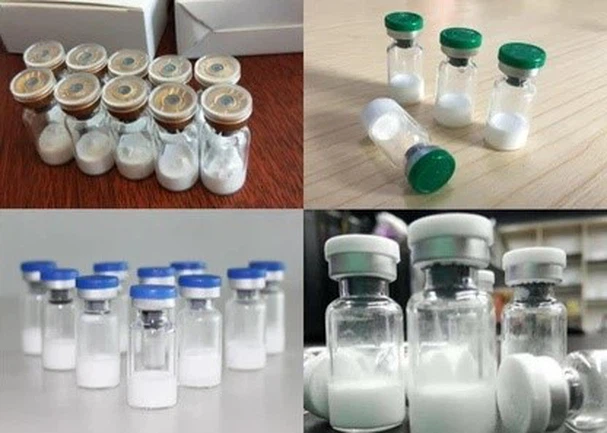
By imitating the activities of somatostatin, the product makes a difference in directing hormone levels, in this manner overseeing indications and abating malady movement in conditions like acromegaly. It accomplishes this by being authoritative to particular receptors on hormone-producing cells, restraining the discharge of development hormone and IGF-1 into the circulatory system. Concerning its suggestions for hair follicles, the coordinate effect of
The product's essential reason is to hinder the intemperate generation of hormones, especially development hormone and insulin-like development calculate 1 (IGF-1), which are related to conditions like acromegaly. By controlling hormone levels, it helps manage symptoms and slow disease progression. But does this mechanism have any implications for hair follicles?
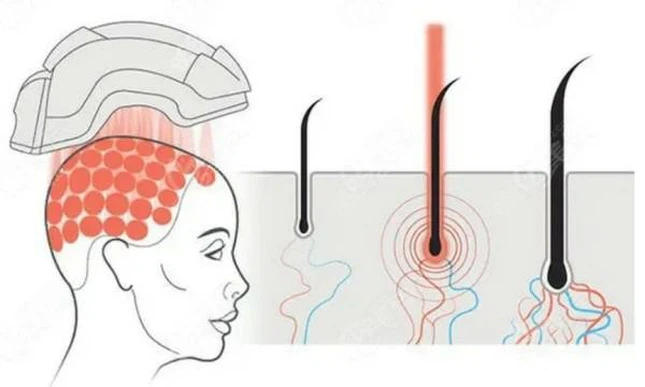
As patients embark on treatment with the product, concerns regarding potential side effects, including hair loss, may understandably surface. While hair loss is a well-documented side effect of certain chemotherapy drugs and other cancer treatments, establishing a direct link between Lanreotide the product and hair loss requires careful examination.
Restorative writing and persistent reports by and large do not list hair misfortune as a common side impact of its treatment. It's vital to recognize that a person's reactions to pharmaceuticals can change altogether. A few patients experiencing the product treatment may undoubtedly take note of changes in hair surface or diminishing all through their treatment. To comprehensively get this wonder, a few variables justify thought. Firstly, the measurement and term of the product treatment may impact its potential effect on hair wellbeing. Higher measurements or delayed treatment lengths might increase the probability of encountering hair-related issues. Patients by and large well-being status, counting any pre-existing conditions or concurrent medicines, can moreover contribute to varieties in treatment results.
 |
 |
Additionally, incorporating strategies to promote hair health, such as maintaining a balanced diet, practicing good hair care habits, and addressing any underlying medical conditions, can support overall well-being during therapy. By prioritizing self-care and communication with healthcare professionals, patients can navigate their treatment journey with confidence and peace of mind.
In conclusion, while the product is a valuable medication for managing various medical conditions, including acromegaly and neuroendocrine tumors, its association with hair loss remains uncertain. While some individuals may experience changes in hair texture or thinning during treatment, conclusive evidence linking it to hair loss is lacking. By staying informed, communicating with healthcare providers, and prioritizing self-care, patients can approach therapy with a comprehensive understanding of potential side effects and strategies for maintaining overall well-being.
1. Colao, A., et al. "Lanreotide Autogel 120 mg, a New Tool for the Management of Acromegalic Patients: Efficacy and Tolerability in a 12‐Month Follow‐Up Study." European Journal of Endocrinology, vol. 157, no. 5, 2007, pp. 577-582.
2. Caplin, M. E., et al. "Lanreotide in Metastatic Enteropancreatic Neuroendocrine Tumors." New England Journal of Medicine, vol. 371, no. 3, 2014, pp. 224-233.
3. Rinke, A., et al. "Placebo-Controlled, Double-Blind, Prospective, Randomized Study on the Effect of Octreotide LAR in the Control of Tumor Growth in Patients with Metastatic Neuroendocrine Midgut Tumors (PROMID): Results of Long-Term Survival." Neuroendocrinology, vol. 96, no. 2, 2012, pp. 68-72.
4. Gadelha, M. R., et al. "Biochemical Control During Long-Term Treatment of Acromegaly with Lanreotide Autogel: A 5-Year Prospective Study." European Journal of Endocrinology, vol. 160, no. 2, 2009, pp. 239-244.
5. Strosberg, J., et al. "Carcinoid Syndrome Management: A Survey of Patient Burden and Unmet Needs." Pancreas, vol. 47, no. 8, 2018, pp. 1003-1008.
6. Caron, P., et al. "Efficacy of Lanreotide 30 Mg PR in the Management of Acromegaly: A Multi-Center, Randomized, Double-Blind, and Placebo-Controlled Study." Journal of Clinical Endocrinology & Metabolism, vol. 90, no. 6, 2005, pp. 3172-3178.